
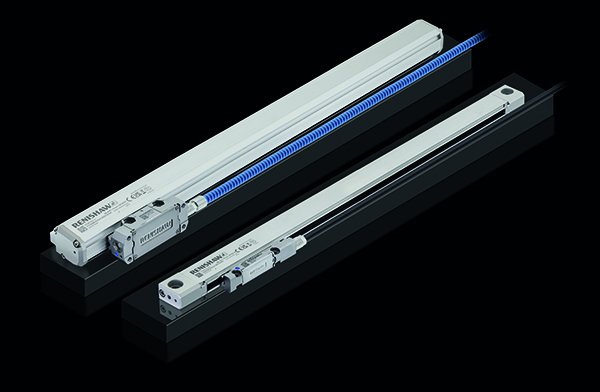
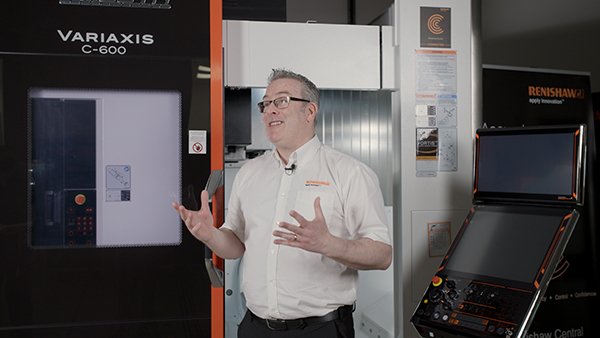
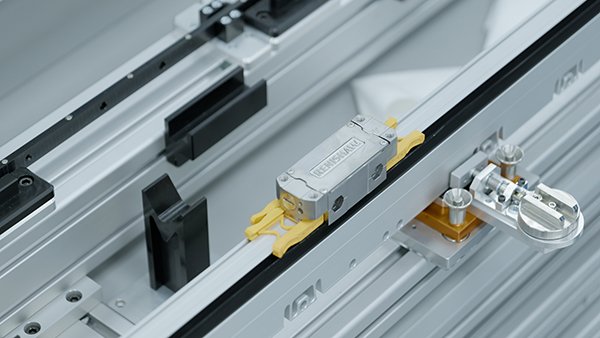
Linear encoders, often called linear measurement instruments, offer high-precision position measurement and improved process stability. Used to ensure consistent machine accuracy and prevent long-term misalignment, they are ideal for lights-out industrial manufacturing. At Renishaw, we wanted to design a linear encoder that could address three common challenges: installation, leakage, and vulnerability to vibration. Corrie Fearon, Product Manager at Renishaw, introduces the FORTiS™ encapsulated optical encoder.
Designing with the customer in mind
Rather than replicate existing products, we decided to learn from real-world experiences and use customer feedback to guide us in designing a better product. With this goal in mind, we launched a partner development program that engaged a wide range of trusted customers, in addition to our industrial manufacturing team.
Humblely accepting that there were things we weren't yet aware of, we listened closely to some key industry customers to find out what they liked and didn't like about our products. The survey revealed three key issues: installation, leakage, and vulnerability to vibration.
Problem resolution
To address the widespread perception that machine tool encoders are difficult to install, Renishaw designed the FORTiS encoders specifically for installation by assembly line operators. They feature an intuitive setup LED that helps ensure correct installation the first time, confirming with a blue light. This simplicity reduces potential errors and ensures quick and efficient setup.
Regarding leakage, we've made the encoder's lip seals significantly more resistant to wear, tear, and the wide range of chemicals used in modern coolants. Our exclusive DuraSeal™ lip seal reduces leakage by 70%, providing improved protection from contamination.
Regarding vibration, the FORTiS system is the only encapsulated encoder on the market with integrated tuned-mass dampeners. These reduce vibration in the encoder read head by 80%, resulting in significantly improved rigidity and positional stability in high-vibration environments.
Implementing Customer Feedback
Our starting point was a technology demonstrator, which we refined until we were ready to present the encoder to members of the Partner Development Program. Once we gained a better understanding of our partners' installation environments, it became clear that this was a significant change. It's these small, but significant, additions that make the FORTiS encoder so much better.
We also needed to demonstrate that our system could withstand even the harshest machine tool environments. We engaged with several users of these types of machines, including those who use high-end machines for nanometer-level precision. We spoke with customers who use grinders, which generate abrasive particulate contamination, as well as those who operate high-speed machining centers, which are subject to vibration and shock.
We've also worked with customers in the oil and gas industry, who operate their machines in remote, extreme, and low-maintenance locations. Our goal wasn't simply to meet the highest standards; we wanted to exceed them. Rigorous testing confirmed the durability of the FORTiS encoder, demonstrating the product's reliability.
Scaling Up Production
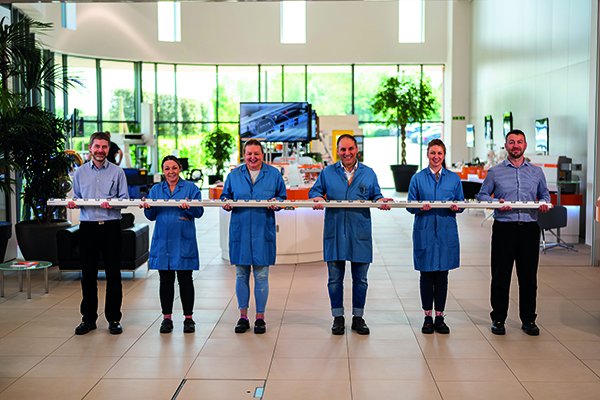
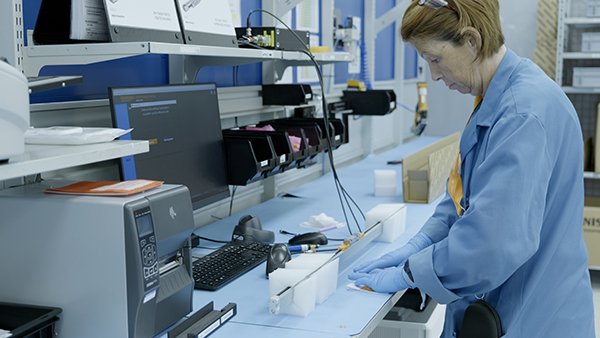
The transition from small-scale development to mass production is always challenging, and the FORTiS encoder was no exception. In the early stages of production, technical operations were essential for quality control. As we moved to mass production, maintaining consistent quality throughout the entire process became crucial. We therefore implemented rigorous quality controls using our new NPI process for new product introductions.
During this phase, NPI engineers worked closely with the product development team, promptly notifying them of any issues to ensure consistent, high-quality results. By the time the product entered full production, the team was already familiar with every aspect of the process. This type of support allowed us to increase production.

 Industriale.it certification