
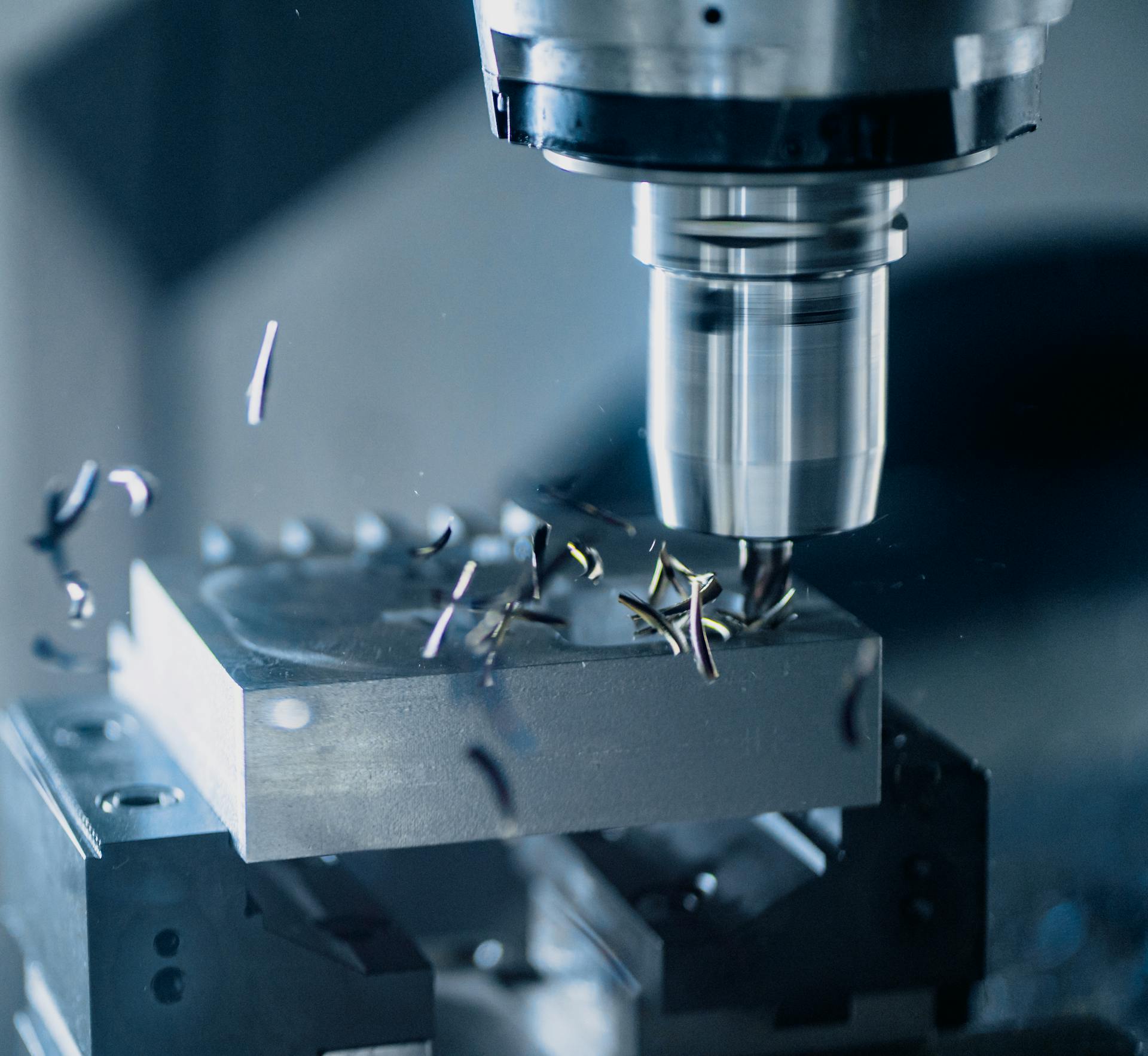
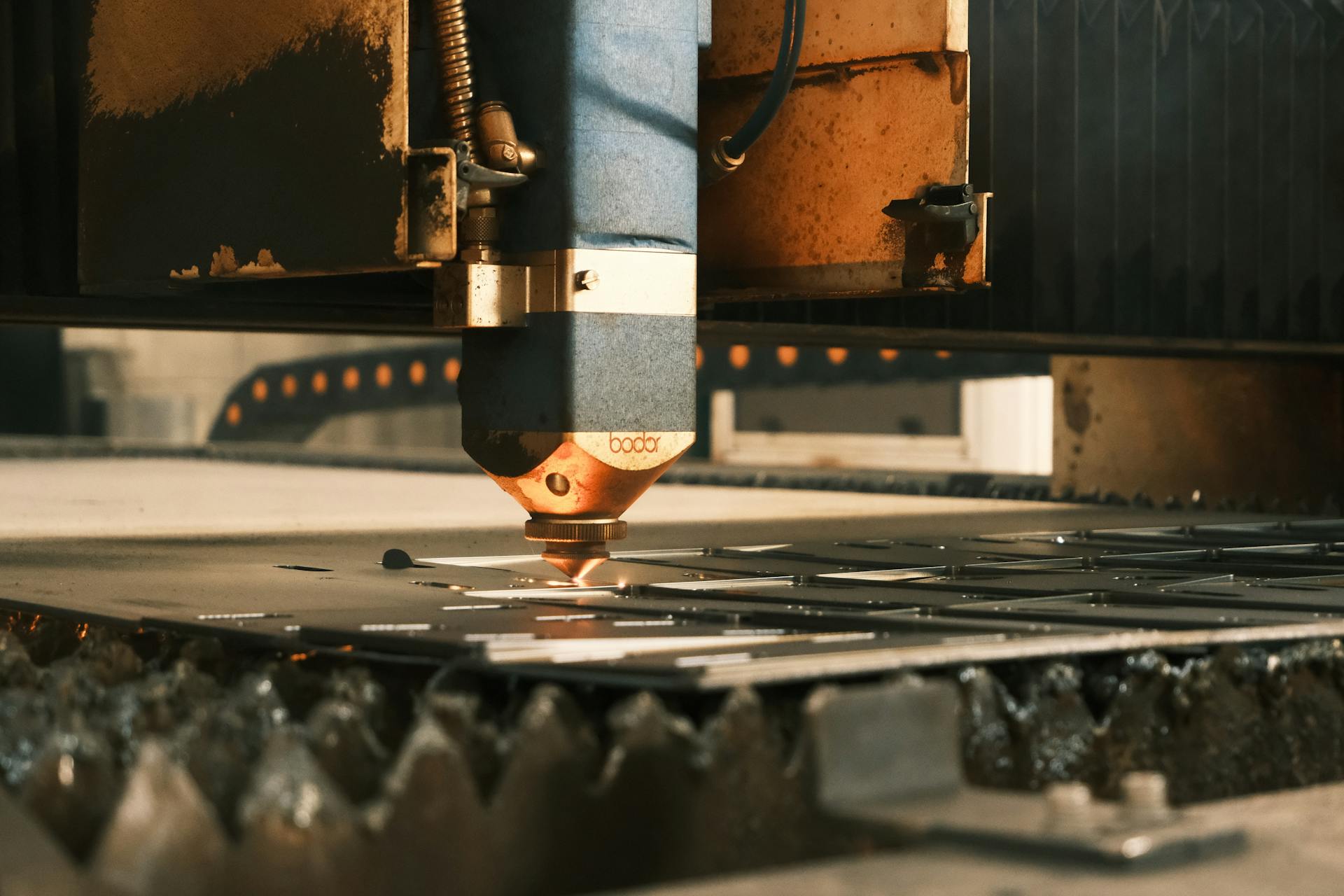
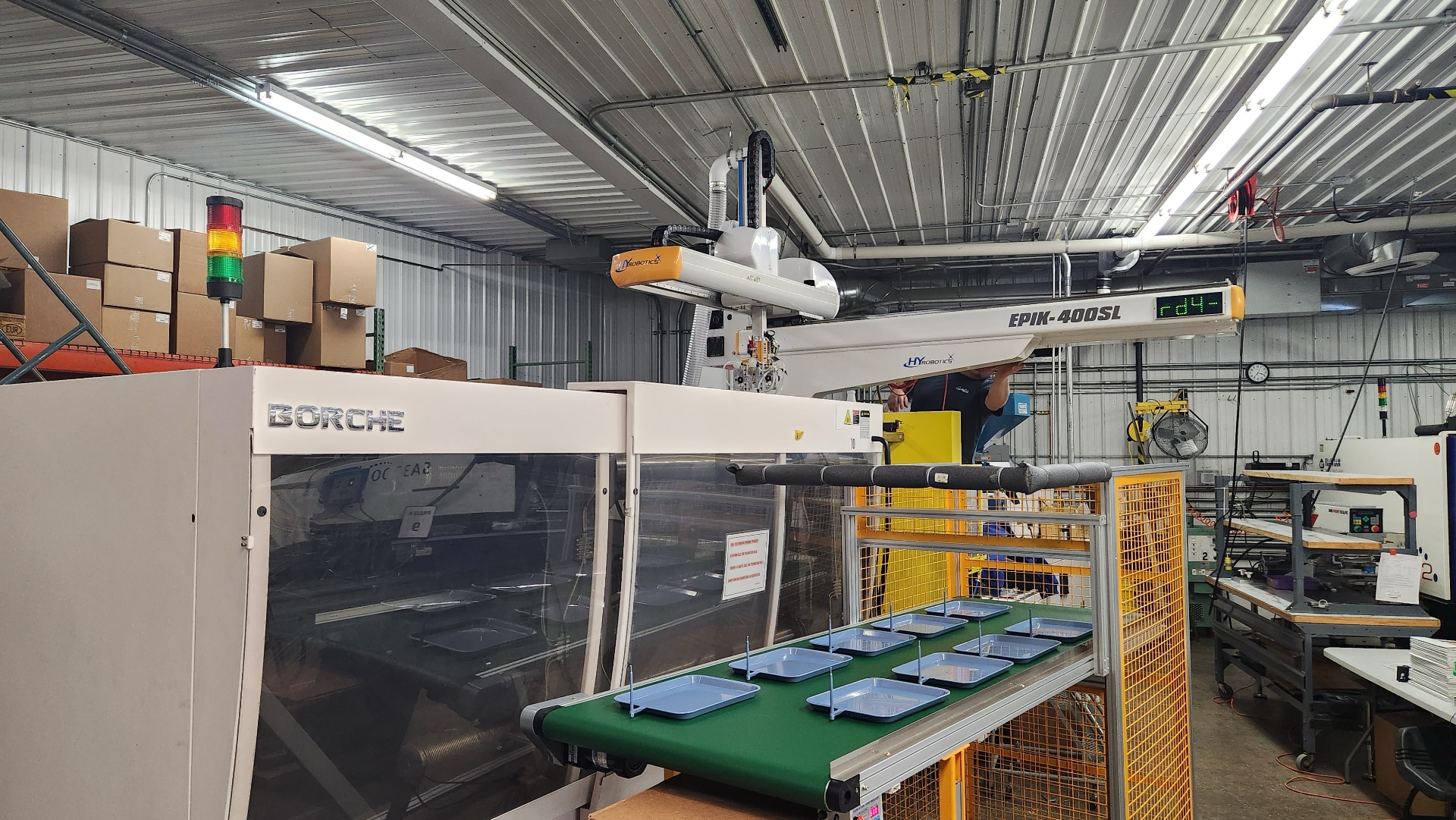







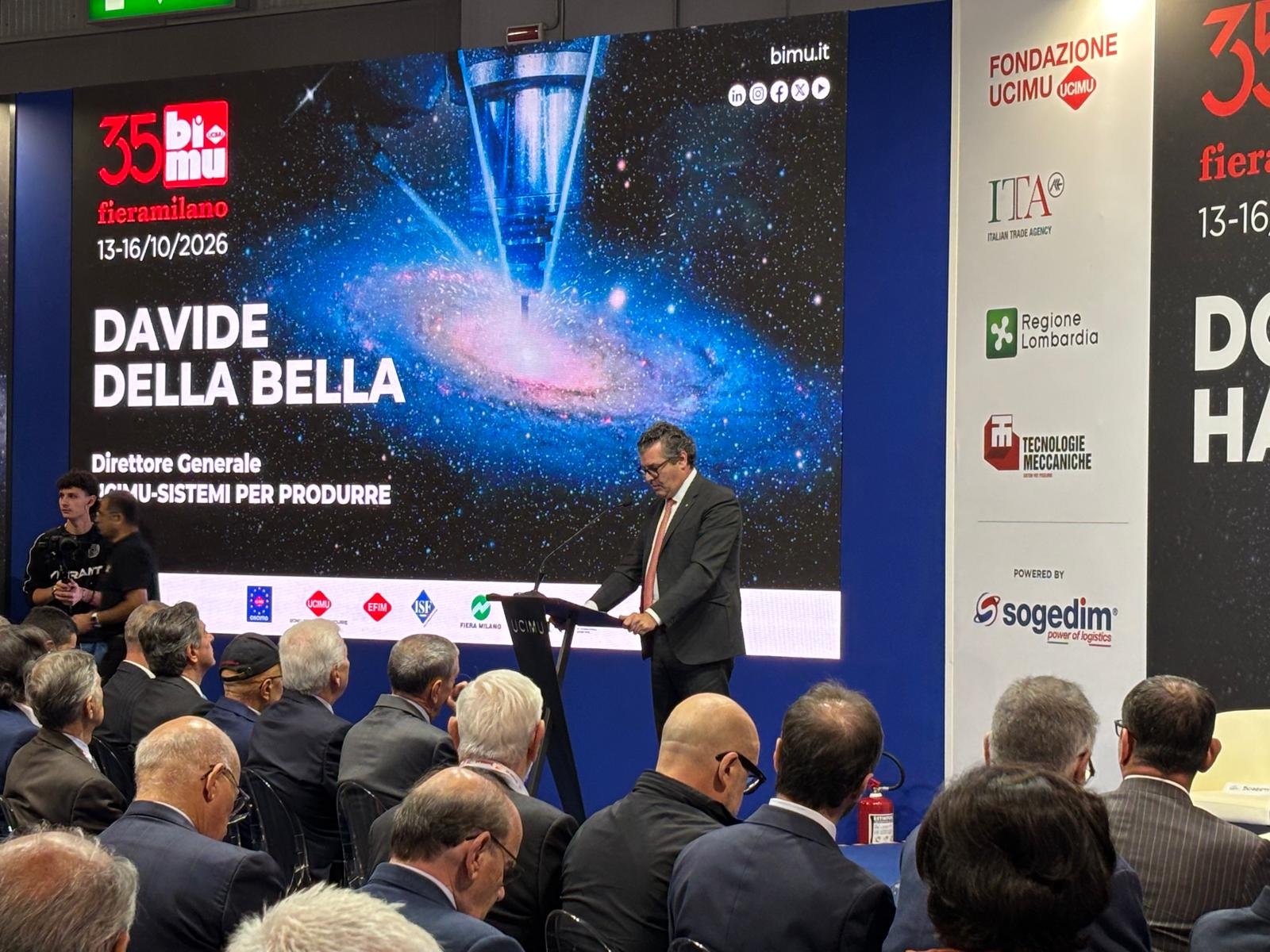
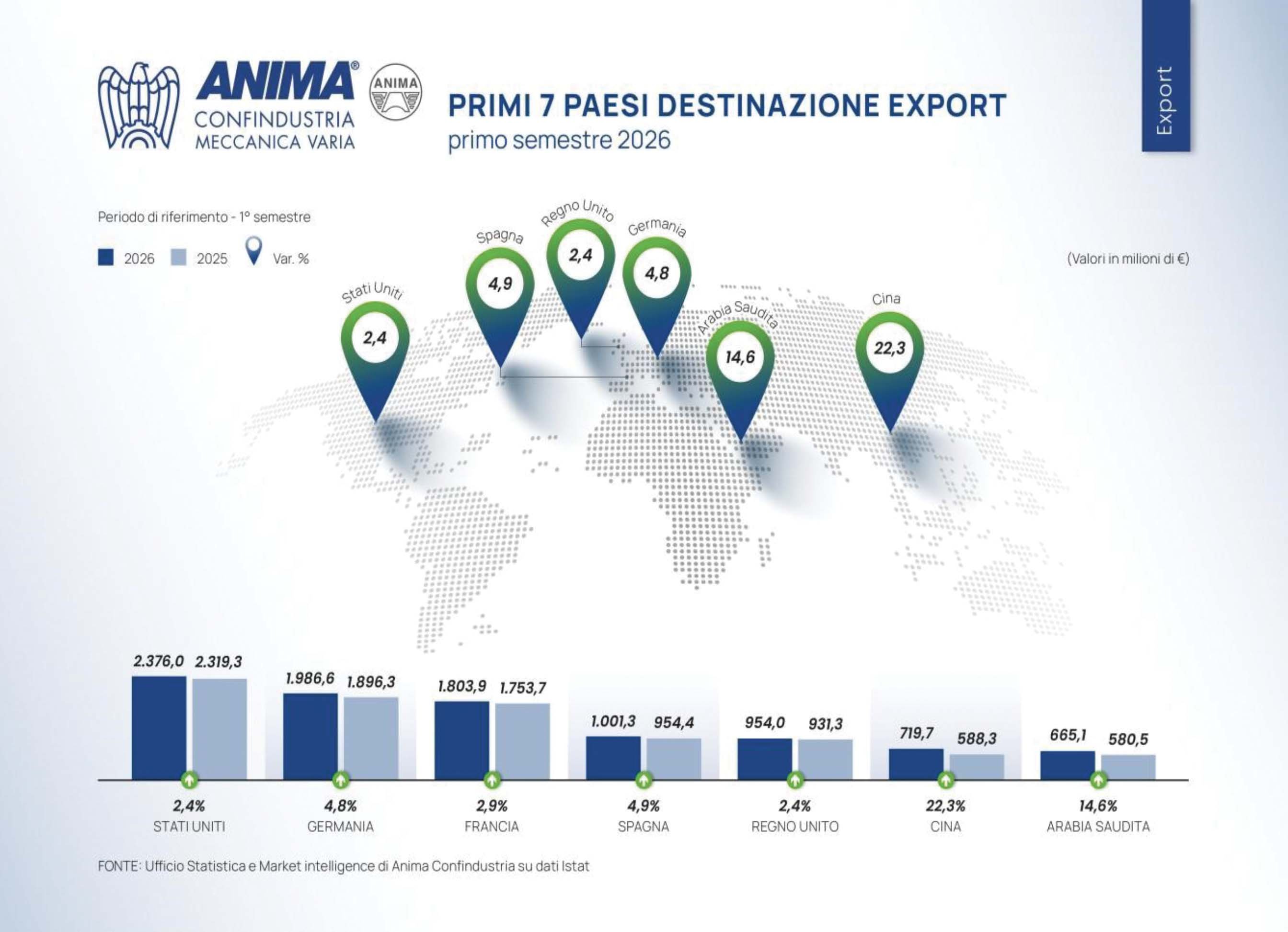
In the third quarter of 2026, the machine tool orders index compiled by the UCIMU-SISTEMI PER PRODURRE Study & Business Culture Centre recorded a 10.5% increase compared to the July-September 2025 period . In absolute value, the index stood at 58.9 (base 100 in 2021). In particular, orders collected across borders grew by +24.7% compared to the third quarter of 2025, for an absolute value of 108.6. Order intake in Italy, however, decreased by 7.1% compared to the same period of the previous year. The absolute value of the index stood at 14.3. Riccardo Rosa , President of UCIMU-SISTEMI PER PRODURRE, stated: " Domestic demand remains weak despite the numerous ongoing negotiations. The uncertainty of the international context and the increase in energy costs are clearly impacting the activity of Italian manufacturing operators, who are postponing investments pending greater clarity. We are therefore confident ," added President Riccardo Rosa , " that Italian demand will be able to regain momentum, also supported by the hyper-depreciation measure which, in version 5.0, allows for better planning of investments, which can be spread out until September 2028. " Italian manufacturers' activity on foreign markets, however, has been decidedly dynamic. In addition to the United States, where demand remains particularly strong, Germany is also beginning to show signs of recovery: certainly good news for the Italian industry in the sector. According to data processed by the UCIMU-SISTEMI PER PRODURRE Study & Business Culture Centre, in the first half of 2026 (latest available data), the main outlet markets for Italian supply in the sector were the United States (329 million euros +12.6%) and Germany (137 million euros, +7.6%), followed by France, Poland, and Spain. “In particular, the aerospace and defense sectors, as well as the energy sector, are driving orders, regardless of the country of reference,” concluded Riccardo Rosa . These are the latest sector data presented by the president of UCIMU-SISTEMI PER PRODURRE, Riccardo Rosa , on the occasion of the inauguration of 35.BI-MU, the international sector event taking place at fieramilano Rho from 12 to 16 October . Speakers at the meeting chaired by Rosa included Valentino Valentini , Deputy Minister of the Ministry of Enterprise and Made in Italy; Giovanni Bozzetti, President of Fondazione Fiera Milano; Simona Greco , Hosted Exhibitions Director of Fiera Milano; and Luca Durante , Head of the Capital Goods Office at ICE-Agenzia. The second part of the event featured an interview with Gian Piero Cutillo, Co-General Manager of Leonardo, and Roberto Vavassori , Executive Director of Brembo and President of ANFIA, conducted by Paolo Bricco, Special Correspondent, Il Sole 24 Ore. The event features over 400 companies , spread across a total area of 40,000 square meters in pavilions 22 and 24. The spotlight will be on machine tools, robotics, automation, additive manufacturing, digital manufacturing, artificial intelligence, measurement and quality control systems, components, and enabling technologies for the smart factory. The event, promoted by UCIMU-SISTEMI PER PRODURRE and organized by EFIM-ENTE FIERE ITALIANE MACCHINE, significantly enhances the thematic cultural dimension. Over 50 events are planned , including conferences, workshops, and round tables. New features this year include two special forums dedicated to the Aerospace & Defense and Energy sectors, strategic sectors that will be analyzed through the direct testimony of production and operations directors of some of the main international players and the CEOs of several Italian SMEs. In terms of training, the VLF4EU (Virtual Learning Factory for EU) International Conference is particularly relevant, focusing on an innovative training system based on the Digital Twin of the factory. The conference will feature around thirty researchers from Denmark, France, Slovenia, Spain, Sweden, and Italy. The relationship between young people and the world of work will be explored in depth at the meeting " Value, Future, Impact. Work According to the New Generation ," organized by ANIPLA with the patronage of the UCIMU Foundation. These conferences are part of the Skills Area 's calendar of meetings. Located in Pavilion 24, the Skills Area will host initiatives promoted by UCIMU Academy and the UCIMU Foundation . Among these, ROBOTGAMES , the automation and robotics competition for secondary school students, now in its second edition, will once again be held.


 Industriale.it certification